koishi wants to read Kindred by Octavia E. Butler
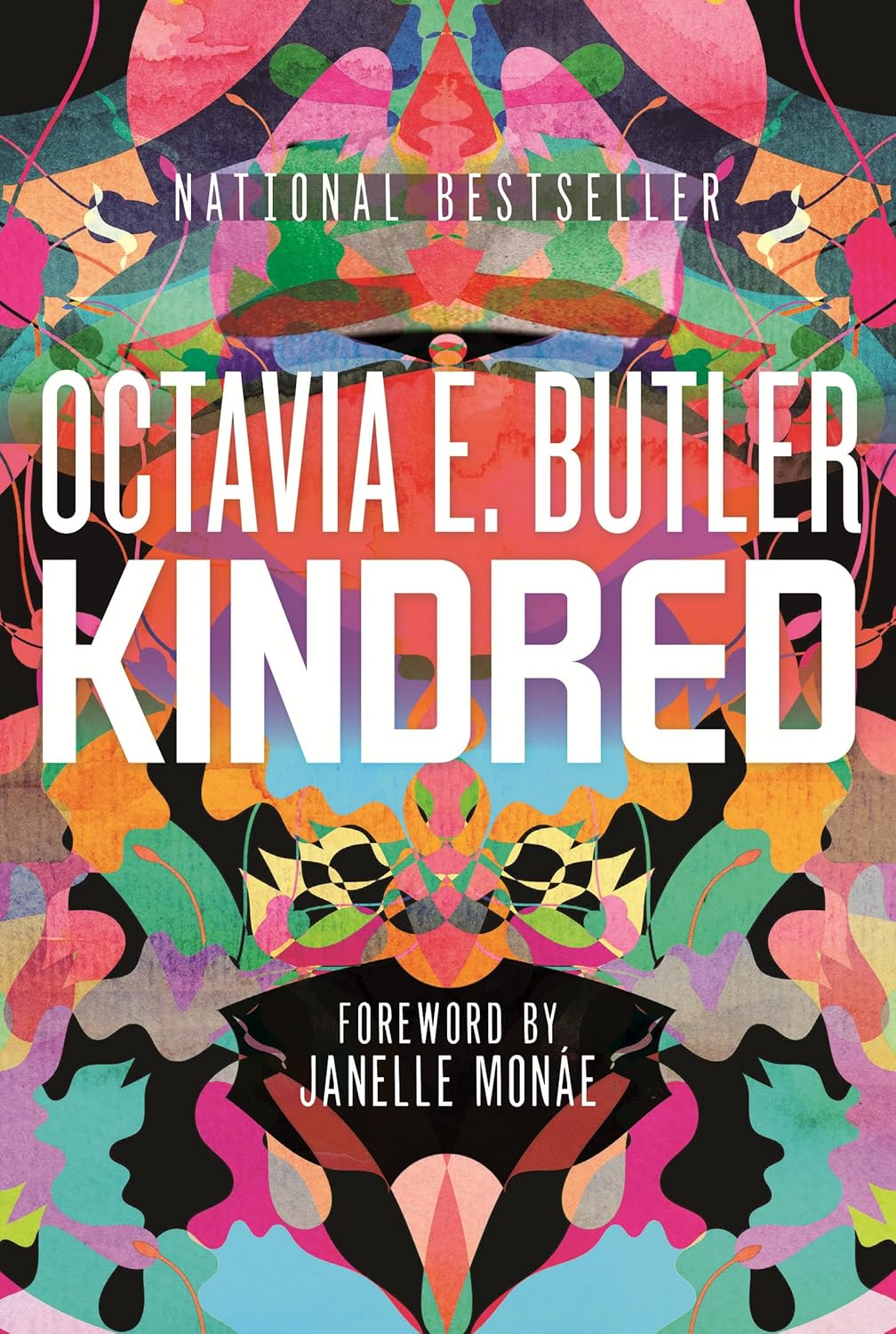
Kindred by Octavia E. Butler
Dana, a modern black woman, is celebrating her twenty-sixth birthday with her new husband when she is snatched abruptly from …

This link opens in a pop-up window
Dana, a modern black woman, is celebrating her twenty-sixth birthday with her new husband when she is snatched abruptly from …
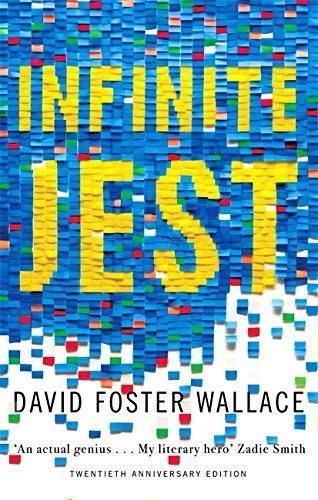
Infinite Jest is a 1996 novel by American writer David Foster Wallace. The novel has an unconventional narrative structure and …
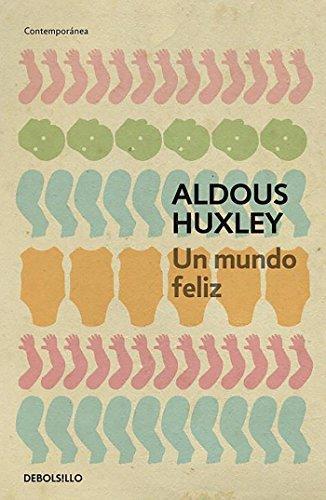
Brave New World is a dystopian social science fiction novel by English author Aldous Huxley, …
Content warning Racism, phrenology
I have thought about this review many times. I have clashing emotions: how the book is (intentionally or otherwise) so up-front about racism and phrenology; how accurate it feels to read about a society that has optimized for happiness and created an artificial God in the founder of a company; but most importantly, the native americans.
I love the setting of the story, how they have machined people to be produced in a factory line and spend their entire childhood being conditioned to be peaceful. It's the kind of subtler control that one could perhaps expect totalitarianism to become before the rise of nazi Germany, and all the iconography is on point. We have chiseled social values to prevent conflict, and will happily hand you crack cocaine so you can just unwind in a hallucination.
And now, the point of this all: I get why alphas are only white. I get why John brings up Othello. I get why the feely film is about a black man and a white woman. But the part that made me think that maybe the weirdness is not as intentional as he wanted it to be is the zuñi people. It brings up an iconography that could only exist in epics about the conquest of the wild West and, later on, spaghetti westerns. It reminded me a lot of Foxfire, in how there is this certain feeling of fetishism towards the natives.
In writing this, I am realising that there may have also been intention in this. In how the narrative may be beholden from the eyes of Bernard and Lenina, how we are meant to feel about them as these precious little weirdos with their rituals and their self-flagellation. Then I think about John, how he was rejected by their tribe (except the kind elder who taught him their customs) and it was meant to be a parallel with Bernard. How we chose the white guy to be the cultured one of the bunch, not even a half-zuñi between Linda and Popá. Then I get he has to be the son of white people for the plot device to work. I feel like my brain is trying to gotcha Huxley for being weird himself instead of making the world weird, but he then smugly proves there is a point to the madness.
What do I need to say about the book, the critiques it makes, and the ending? This book has endured because of its predictions and critiques, so please, let me just talk about how this book felt like an exercise in questioning what the difference is between being weird whilst building a world and building a weird world.
Brave New World is a dystopian social science fiction novel by English author Aldous Huxley, written in 1931 and published …
Brave New World is a dystopian social science fiction novel by English author Aldous Huxley, …
I have had this in my shelf for far too long chief
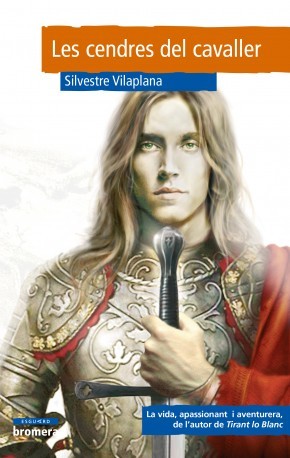
Joanot Martorell és vell i sap que la mort l’assetja. Ho ha perdut tot: diners, amics, prestigi... La seua situació …
Joanot Martorell és vell i sap que la mort l’assetja. Ho ha perdut tot: diners, amics, prestigi... La seua situació …
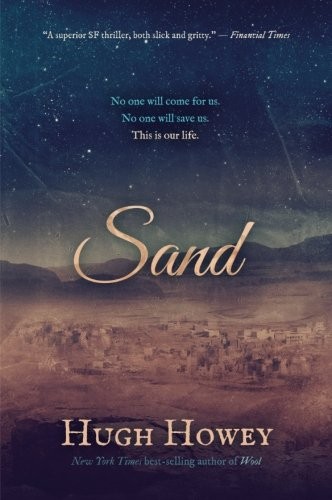
In post-apocalyptic Colorado, a state now covered in sand, one family struggles to survive and stay united after the father …
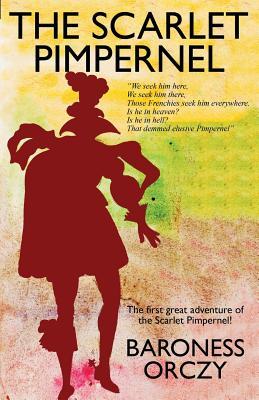
The Scarlet Pimpernel (1905) is a play and adventure novel by Baroness Emmuska Orczy set during the Reign of Terror …
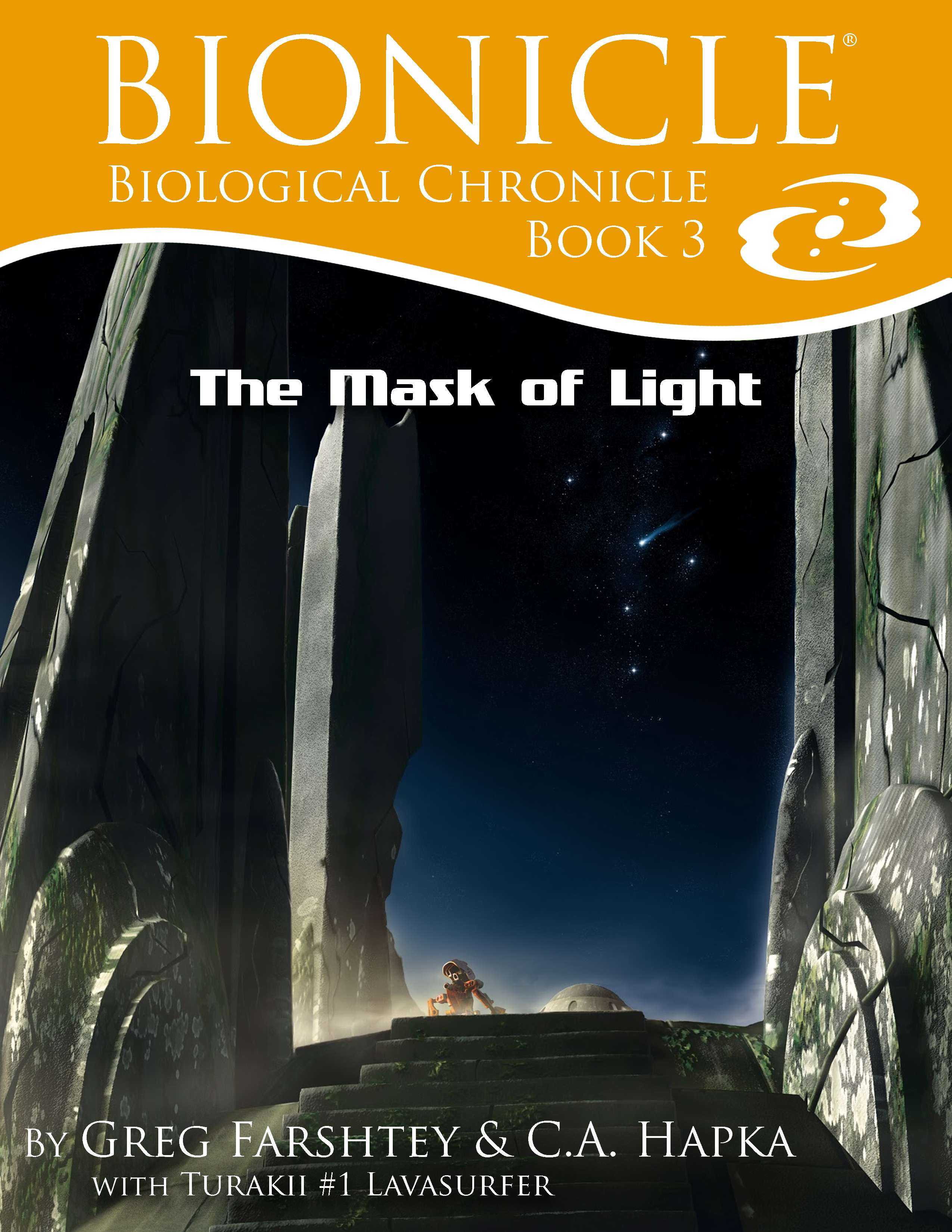
What would you do if you thought you murdered your best friend? And if everyone else thinks so too? What …
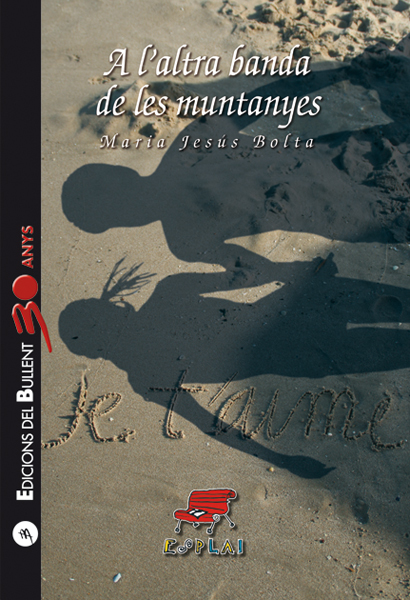
La família de Teresa va emigrar, de València a París, just abans de nàixer ella. …
Content warning Espòiler d'el final
Sent que la introducció es demora massa; no sembla que hagués arribat a la trama principal fins al capítol 5. I encara doncs et preguntes què se suposa que és la trama.
Tampoc m'ha agradat la forma a la qual termina el llibre, posant-nos en un conflicte que no sembla resolt. Encara preferiria Teresa quedar-se a París amb les seues amigues, o tornar a València per a estar amb Carles?